Software Development Outsourcing Guide
Software development outsourcing is now a key strategy for businesses aiming to stay competitive in today’s fast-paced world. By outsourcing development tasks to external experts, companies can access global talent, streamline operations, and cut costs. This approach is popular not only among startups and small businesses but also with large enterprises looking to speed up innovation and reduce time-to-market.
As market demands change rapidly, outsourcing provides a flexible solution that allows companies to scale resources according to project needs. The growing demand is clear from the market’s rapid expansion. According to Statista, the global IT outsourcing market is projected to reach $813 billion by 2029. This growth is driven by the need for cost-effective and scalable IT solutions.
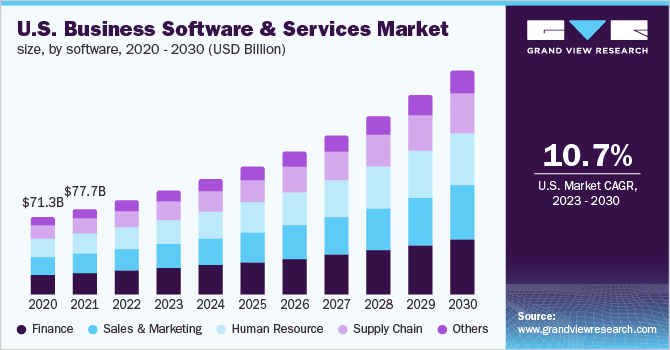
The business software market is also booming. Grand View Research estimates that the global business software and services market will grow at a compound annual growth rate (CAGR) of 10.7% from 2023 to 2030. These numbers show how outsourcing is becoming essential for companies aiming to stay ahead.
In today’s digital landscape, software development outsourcing is more than a cost-saving measure. It’s a strategic move to access specialized skills, boost efficiency, and foster innovation. This guide will cover the key aspects of outsourcing, helping businesses make smart decisions to maximize the benefits and align with their long-term goals.
What is Software Development Outsourcing?
Software development outsourcing involves hiring external teams or specialists to handle software-related tasks. Instead of building an in-house team, companies delegate the development work to third-party vendors. This approach allows businesses to access expert skills, reduce operational costs, and focus on core activities. It’s a practical solution for companies looking to enhance their tech capabilities without committing to full-time staff.
There are different types of software development outsourcing, each suited for specific needs:
1. Onshore Outsourcing:
Onshore outsourcing means hiring a development team located in the same country. It offers the benefit of minimal time zone differences and cultural alignment. Communication is usually smoother, but costs can be higher compared to other options. Companies may choose onshore outsourcing when quality control and real-time collaboration are priorities.
2. Nearshore Outsourcing:
Nearshore outsourcing involves working with a team in a nearby country, often in the same time zone or within a few hours’ difference. It combines the benefits of onshore outsourcing with cost efficiency. For instance, companies in the U.S. may collaborate with development teams in neighboring regions to maintain effective communication without the high expenses. Nearshore is ideal for businesses that seek close cooperation while managing costs.
3. Offshore Outsourcing:
Offshore outsourcing is when companies hire teams in distant countries, often across different continents. It offers significant cost advantages due to lower labor rates in regions like Asia or Eastern Europe. However, it can pose challenges like language barriers or time zone differences. Offshore outsourcing is suitable for projects with flexible timelines or when budget constraints are a primary concern.
Choosing the right outsourcing model depends on factors like budget, project complexity, and collaboration needs. Each type has its benefits and challenges, making it important for companies to align their choice with their business goals.
Popular Outsourcing Strategies
When outsourcing software development, businesses can choose from several strategies to fit their specific needs. The most common approaches are managed services, staff augmentation, and full project outsourcing. Each has unique use cases and benefits, allowing companies to select the best strategy for their situation.
1. Managed Services
Managed services involve outsourcing the entire management of a specific function or system. The external provider takes responsibility for maintaining, supporting, and upgrading the software. This approach is ideal for businesses that want to delegate ongoing tasks or services, such as IT support or cloud management. It helps companies focus on core activities while the service provider ensures the system runs smoothly. Managed services are suitable for long-term outsourcing needs, where businesses seek stability and continuous improvement.
2. Staff Augmentation
Staff augmentation allows companies to extend their existing teams by adding external developers on a temporary basis. The hired specialists work alongside the in-house team to fill skill gaps or handle increased workloads. This approach is beneficial for short-term projects or when specific expertise is required for certain tasks. Companies can scale their workforce up or down as needed, providing flexibility without the commitment of hiring full-time employees. For businesses looking to enhance their teams quickly, staff augmentation services offer a practical solution to boost productivity without major changes to the internal structure.
3. Full Project Outsourcing
In full project outsourcing, a company delegates the entire software development project to an external team. The outsourcing partner manages everything from planning and design to development and testing. This strategy works well for companies lacking the resources or expertise to handle a project in-house. It is also suitable for projects with well-defined requirements and timelines. Full project outsourcing offers a comprehensive solution, allowing businesses to benefit from the vendor’s experience and streamlined processes.
Choosing the right strategy depends on the project’s scope, budget, and internal capabilities. Each approach serves distinct purposes, making it crucial to align the choice with business objectives.
Key Benefits of Software Development Outsourcing
Software outsourcing offers several advantages that help businesses stay competitive and efficient. Here are some key benefits that make it a popular choice across industries.
1. Cost-effectiveness
Outsourcing software development can greatly reduce costs. Companies save on hiring, training, and maintaining in-house teams. There’s no need to invest in additional infrastructure, equipment, or software licenses. Outsourcing partners often operate in regions with lower labor costs, making development rates more affordable. This allows businesses to allocate resources to other critical areas, such as marketing or research. In short, outsourcing helps companies get quality work done without breaking the budget.
2. Access to a Global Talent Pool
Outsourcing connects businesses with a wide range of skilled professionals across different regions. It enables companies to find experts who specialize in areas that might be hard to source locally. This global talent pool allows businesses to bring in the right developers for unique projects or advanced technologies. By partnering withtop software development companies, businesses can benefit from diverse perspectives and innovative solutions. Access to international talent ensures projects are handled by experienced professionals who deliver high-quality results.
3. Faster Time-to-Market
Outsourcing speeds up the development process. External teams have established workflows and access to advanced tools, which accelerates project timelines. By outsourcing non-core tasks, companies can focus on product strategy and user experience. The ability to scale teams quickly means businesses can respond to changing project requirements. Faster development cycles help companies stay ahead of competitors and seize market opportunities sooner.
4. Flexibility and Scalability in Resource Management
Outsourcing allows businesses to adjust resources based on project needs. Companies can easily scale teams up or down, depending on the project’s size or stage. This flexibility helps manage budgets effectively, as businesses only pay for the resources they need. Outsourcing partners can also provide specialized skills for specific project phases. This scalable approach enables companies to handle multiple projects without overburdening their in-house staff.
Tips for Selecting the Ideal Software Outsourcing Partner
Selecting the right outsourcing partner is crucial for a successful project. The right vendor will align with your goals, meet your quality standards, and fit within your budget. Here’s how to choose a suitable outsourcing partner for your software development needs.
Vendor Selection Criteria
When evaluating vendors, there are several important criteria to consider:
- Technical Expertise and Domain Experience: Ensure the vendor has the necessary technical skills and experience in your industry. This ensures they understand your specific needs and can handle project complexities. Look for certifications or relevant technologies they specialize in.
- Portfolio and Case Studies: Review the vendor’s portfolio to see past projects. Case studies provide insights into their approach, problem-solving abilities, and project outcomes. It’s important that the vendor has experience in projects similar to yours.
- Client Reviews and Testimonials: Check online reviews, ratings, and testimonials from previous clients. These offer a glimpse into the vendor’s reliability, work quality, and customer service. Consider reaching out to past clients for direct feedback.
- Cultural Fit and Communication Practices: The vendor should have a compatible work culture and communication style. This is important for effective collaboration, especially if there are time zone differences. Assess their responsiveness and approach to problem-solving.
Checklist for Evaluating Potential Vendors
To choose the right vendor, follow a structured evaluation process. Create a checklist that covers key aspects:
- Experience and Expertise: Verify that the vendor has the necessary skills, certifications, and industry knowledge.
- Project Management Approach: Look at their project management style. Do they use Agile, Waterfall, or other methodologies that fit your requirements?
- Security Measures: Check how they handle data protection and intellectual property rights.
- Communication Practices: Ensure they have clear processes for regular updates and feedback.
- Pricing and Contracts: Review pricing models, contract terms, and payment schedules. Ensure transparency to avoid hidden costs.
- Trial Period or Pilot Project: Consider a trial or short-term engagement to assess their capabilities.
- Using this checklist helps streamline the selection process and ensures you choose a vendor that meets all requirements.
Importance of Starting with a Pilot Project
A pilot project serves as a practical test before committing to a long-term partnership. It allows you to evaluate the vendor’s performance, communication, and compatibility with your team. During the pilot, you can assess their technical skills, adherence to timelines, and how well they respond to feedback. It also helps identify any potential issues early, allowing for adjustments before the main project begins. Starting with a pilot minimizes risks and builds trust between you and the outsourcing partner. It’s a cost-effective way to confirm that the vendor is the right fit for your business.
Common Challenges in Software Outsourcing and How to Overcome Them
While software outsourcing offers many benefits, it also comes with its own set of challenges. Understanding these issues and knowing how to address them is crucial for a successful outsourcing experience. Here are some common challenges and ways to overcome them.
1. Managing Time Zone Differences
Time zone differences can complicate communication and project coordination. When teams are spread across various regions, scheduling meetings and aligning work hours can be difficult. This challenge may lead to delays in decision-making or project updates. To overcome this, establish overlapping work hours to ensure some real-time collaboration. Use scheduling tools like Google Calendar to find the best meeting times for all team members. Additionally, maintain a clear communication plan that specifies preferred times for updates and meetings, allowing everyone to stay on the same page despite the time difference.
2. Ensuring Communication and Collaboration
Effective communication is crucial for any outsourcing project. Misunderstandings or lack of timely updates can lead to delays and mistakes. Working with remote teams may also create barriers in building a strong collaborative environment. To improve communication, use project management tools like Trello or Asana to track tasks and progress. Set up regular check-ins and status meetings to discuss any issues or changes. It’s also helpful to have a dedicated communication platform, such as Slack or Microsoft Teams, where team members can quickly share information and ask questions.
3. Quality Control and Maintaining Standards
Ensuring consistent quality can be difficult when collaborating with external teams. Differences in work practices, tools, or coding approaches may lead to variations in output. To ensure quality, establish clear guidelines and performance metrics from the start. Use code reviews and testing procedures to catch issues early in the development process. Regularly review project milestones and deliverables to confirm that quality standards are being met. It’s also beneficial to involve in-house team members in quality assurance to ensure that the outsourced work aligns with the company’s expectations.
4. Security Concerns and Data Protection
Security is a major concern in software outsourcing, especially when sensitive data is involved. Sharing information with external teams can expose businesses to risks like data breaches or intellectual property theft. To protect sensitive information, require outsourcing partners to sign Non-Disclosure Agreements (NDAs). Implement data encryption and access controls to limit exposure to essential personnel only. Regularly audit security measures to ensure compliance with industry standards and best practices. It’s also important to educate team members on data protection protocols to minimize the risk of accidental leaks.
5. Solutions to Mitigate These Challenges
To overcome these common outsourcing challenges, implement best practices tailored to each issue. For time zone differences, use overlapping work hours and scheduling tools to maintain coordination. Improve communication by using project management and messaging tools while setting up regular status updates. Address quality control by establishing clear guidelines, conducting code reviews, and regularly assessing deliverables. For security concerns, use NDAs, encryption, and access controls to safeguard sensitive data. Lastly, keep teams informed about potential risks and encourage best practices to ensure a smooth outsourcing experience.
Software Outsourcing vs. In-House Development: Which is Better?
When deciding between software outsourcing and in-house development, it’s essential to understand the differences. Each approach has its own advantages and drawbacks. Below is a detailed comparison to help you choose the best fit for your needs.
| Criteria |
Software Outsourcing |
In-House Development |
| Cost Implications |
Typically lower costs due to reduced overhead and staffing expenses. Pay only for the services you need. |
Higher costs associated with hiring, training, and maintaining a full-time team. Infrastructure expenses add up. |
| Speed and Time-to-Market |
Faster delivery with access to specialized skills and established workflows. Can quickly scale teams. |
Slower development due to the time needed to assemble and train a new team. Limited scaling options. |
| Control and Quality Assurance |
Less direct control over daily processes, but clear guidelines and regular reviews can maintain quality. |
Greater control over the development process and quality standards. Easier to implement immediate changes. |
| Scalability and Flexibility |
High scalability with the ability to quickly adjust team size or expertise based on project needs. |
Limited scalability as team expansion requires more resources and longer hiring timelines. |
Advantages and Disadvantages of Each Approach
Both options offer unique benefits and limitations. Software outsourcing is ideal for cost savings, faster project delivery, and accessing global talent. However, it may pose challenges in maintaining control and ensuring alignment with company standards.
In-house development, on the other hand, provides greater control and consistency but comes with higher costs and a slower time-to-market. Choosing the right approach depends on your project’s scope, budget, and long-term goals.
Comparison of Popular Outsourcing Destinations
When choosing an outsourcing destination, it’s important to understand the differences between regions. Each location offers unique benefits and challenges that can impact project success. Below is a comparison of popular outsourcing destinations.
| Criteria |
Eastern Europe |
India |
Latin America |
| Overview |
Known for strong technical education and a growing IT industry. Many developers have experience in complex projects. |
A well-established outsourcing hub with a large talent pool across various technologies. |
Offers a diverse talent pool and proximity to North America, ideal for nearshore projects. |
| Benefits |
High-quality development, strong engineering skills, and cultural similarities with Western Europe. |
Cost-effective solutions with a wide range of skills, from software development to IT support. |
Time zone compatibility with the U.S., lower costs than onshore, and good communication skills. |
| Cost Analysis |
Developer rates range from $30 to $60 per hour, depending on expertise and project complexity. |
Developer rates are typically lower, ranging from $15 to $35 per hour. Rates vary based on experience and technology. |
Developer rates usually fall between $25 and $50 per hour, offering competitive pricing with time zone advantages. |
| Language Proficiency |
High English proficiency, especially in countries like Poland, Ukraine, and Romania. |
Widespread English fluency, often due to India’s global outsourcing experience. |
Good English skills, particularly in countries like Mexico, Brazil, and Argentina. |
| Cultural Fit |
Similar work culture to Western Europe, with a strong emphasis on quality and deadlines. |
Adaptable to different cultural expectations, with experience working with Western clients. |
Cultural similarities to the U.S. make collaboration smoother, especially for U.S.-based companies. |
| Average Developer Rates |
Moderate rates; often lower than Western Europe but higher than Asia. |
Low rates; among the most affordable for outsourcing. |
Competitive rates; usually higher than Asia but lower than the U.S. |
Legal and Compliance Considerations for Software Outsourcing
When outsourcing software development, it’s important to address legal and compliance issues. These considerations help ensure projects run smoothly while protecting sensitive information and intellectual property.
Intellectual Property and Data Protection Considerations
Protecting intellectual property (IP) and sensitive data is crucial in outsourcing. Companies need to establish clear ownership rights for any code, designs, or materials created during the project. This ensures the business retains full control over the final product. Data protection measures are also essential to prevent unauthorized access. Encryption, secure access protocols, and regular security audits can help reduce risks. Businesses should review the vendor’s policies for data storage and handling to ensure they meet industry standards.
Regional Compliance Requirements (e.g., GDPR, HIPAA)
Compliance requirements differ across regions. Businesses need to ensure outsourcing partners follow relevant laws. For example, the General Data Protection Regulation (GDPR) in the EU enforces strict data privacy rules. In the U.S., the Health Insurance Portability and Accountability Act (HIPAA) requires special protections for health data. Verifying that the partner understands and adheres to these regulations is key. Including compliance requirements in the contract can help meet legal obligations. Staying updated on regional laws helps avoid legal issues and penalties.
The Importance of Non-Disclosure Agreements (NDAs) and Clear Contracts
Non-Disclosure Agreements (NDAs) and clear contracts are essential in software outsourcing. NDAs legally bind vendors to confidentiality, protecting trade secrets and proprietary materials. Contracts should outline project scope, deliverables, timelines, and payment terms. This prevents misunderstandings and sets clear expectations. Including clauses for IP ownership, dispute resolution, and compliance further strengthens the agreement. These legal documents help build trust and ensure smooth collaboration throughout the project.
Tools and Technologies for Successful Outsourced Projects
The right tools and technologies are essential for effectively managing outsourced software development. They help improve collaboration, communication, and project tracking. Below is a comparison of popular tools for project management, communication, and version control.
| Tool Category |
Examples |
Purpose |
Benefits |
| Project Management Tools |
Jira, Trello, Asana |
Help track tasks, deadlines, and project milestones. |
Improve task visibility, organize work, and manage team workload. |
| Communication Tools |
Slack, Zoom, Microsoft Teams |
Facilitate real-time messaging, video calls, and file sharing. |
Enhance team collaboration, enable quick updates, and share files. |
| Version Control Tools |
GitHub, GitLab, Bitbucket |
Manage source code, track changes, and collaborate on code review. |
Ensure code consistency, simplify merging, and control code access. |
Debunking Common Myths about Software Development Outsourcing
There are several misconceptions about software development outsourcing that may discourage businesses from considering it. Let’s address some common myths and provide factual insights to clarify these misunderstandings.
Myth 1: “Outsourcing Always Results in Poor Quality”
Outsourcing doesn’t automatically mean low quality. In fact, many reputable outsourcing partners specialize in delivering high-quality work. They often employ skilled developers with extensive experience across different industries. By setting clear quality standards and maintaining regular communication, companies can ensure that the outsourced team meets expectations. It’s also helpful to review portfolios and client testimonials before choosing a vendor to ensure their quality aligns with business needs.
Myth 2: “Outsourcing Is Only About Cutting Costs”
While cost savings are a significant benefit, outsourcing offers more than just lower expenses. It provides access to specialized skills and expertise that may not be available in-house. Companies can also benefit from faster time-to-market due to established workflows and scalable teams. Additionally, outsourcing allows businesses to focus on core activities by delegating non-core tasks to experts. This strategic approach enhances overall productivity and growth.
Myth 3: “You Lose Control Over the Project”
Effective outsourcing doesn’t mean giving up control. By using project management tools and setting up regular check-ins, companies can closely monitor progress. Clear contracts with detailed project scopes and timelines help set expectations from the start. Outsourcing partners often follow collaborative development practices, such as Agile, to involve clients in the process. This approach ensures that businesses stay informed and retain control over key decisions throughout the project.
Current Trends Shaping Software Development Outsourcing
The software development outsourcing landscape is rapidly evolving, driven by new trends and technological advancements. Understanding these trends can help businesses make informed decisions about their outsourcing strategies.
Impact of Remote Work and Distributed Teams
The rise of remote work has made distributed teams more common in software outsourcing. Companies can now hire talent from anywhere, increasing access to skilled professionals. This trend also allows for flexible work schedules and reduces office-related expenses. However, it requires robust communication tools and project management practices to ensure smooth collaboration across time zones.
Influence of AI and Automation on Software Outsourcing
AI and automation are transforming the way outsourcing projects are managed. Automated testing, code generation, and bug detection improve development speed and quality. AI tools help predict project timelines, optimize resource allocation, and even enhance security. This trend enables outsourcing partners to deliver faster, more efficient results while reducing manual effort.
Agile and DevOps Practices in Outsourced Development Projects
Agile and DevOps methodologies have become popular in outsourcing due to their ability to accelerate development. These practices emphasize continuous integration, frequent testing, and iterative improvements. Agile helps teams respond quickly to changing requirements, while DevOps ensures seamless deployment and operations. Together, they enhance project delivery and software quality.
Role of Cloud Computing in Enhancing Outsourcing Efficiency
Cloud computing has revolutionized software development by providing scalable infrastructure and tools. It allows teams to collaborate in real-time, regardless of location. Cloud services also enable easy access to development environments and data storage. This trend helps outsourcing partners reduce costs, increase scalability, and streamline project workflows, making development more efficient.
Long-Term Outsourcing Strategy: Building a Sustainable Partnership
Building a sustainable partnership is essential to making software outsourcing successful in the long run. This requires effective management practices, strong communication, and adapting to changes.
Tips for Managing Long-Term Outsourcing Relationships
Maintain clear expectations and open communication to foster trust. Regularly review project progress and discuss any challenges. Setting performance metrics and goals helps ensure the partnership stays aligned with business objectives. Also, consider involving in-house teams for quality assurance and collaboration. A strong relationship is built on mutual understanding, continuous feedback, and a commitment to shared success.
Vendor Management Practices, Ongoing Communication, and Contract Renewals
Vendor management is key to sustaining a long-term partnership. Conduct regular performance evaluations to monitor quality and address issues early. Maintain ongoing communication through scheduled check-ins and progress updates. This ensures both parties stay aligned on project goals. For contract renewals, review the existing terms and adjust them based on any changes in scope, budget, or timelines. This keeps the partnership relevant and beneficial.
Continuous Improvement and Adapting to Changes in Technology and Business Needs
A long-term outsourcing strategy requires continuous improvement. Encourage your outsourcing partner to stay updated on the latest technologies and industry trends. This helps them adapt to evolving business needs. Regularly assess the effectiveness of current processes and be open to changes. Implementing new tools or methodologies can improve project outcomes. This approach ensures that the partnership remains agile and can meet future challenges.
Conclusion
Software development outsourcing offers many benefits, from cost savings to faster project delivery and access to global talent. Throughout this guide, we’ve covered essential aspects such as choosing the right outsourcing strategy, managing challenges, and understanding legal considerations. By following these insights, businesses can maximize the advantages of outsourcing and ensure successful project outcomes.
Careful planning and selecting the right partner are crucial for a smooth outsourcing experience. Businesses should evaluate potential vendors based on their expertise, communication practices, and previous work. Setting clear expectations and maintaining ongoing collaboration will help keep projects on track and aligned with goals.
If you’re ready to explore outsourcing opportunities, consider partnering with a trusted service provider. An experienced software development company can help you effectively meet your business needs. Connect with the right outsourcing partner today to take the first step toward achieving your software goals.