




AI Solutions for Logistics | Logistics AI Development Services

AI Solutions for Logistics Services

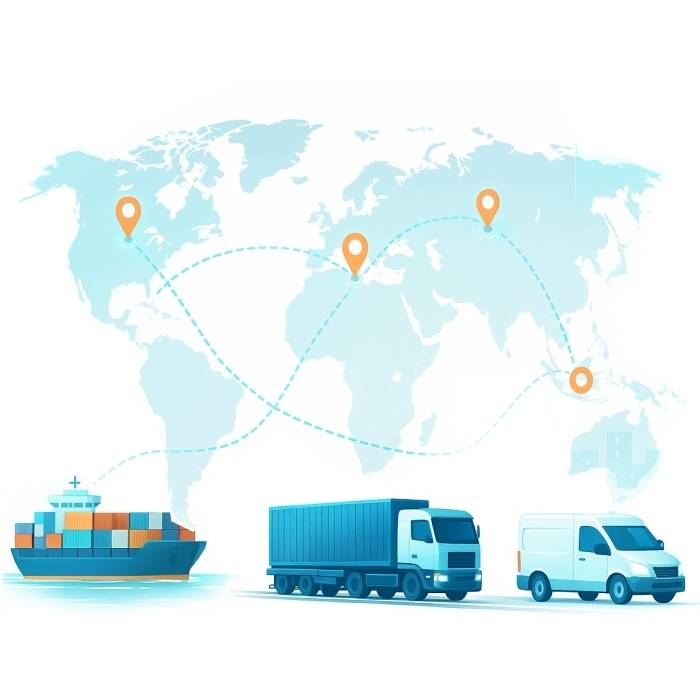
Unlock new levels of speed, precision, and scalability with AI built for modern logistics. We help logistics leaders move beyond manual bottlenecks by designing custom AI systems that predict demand, optimize routes, and automate key operations. Whether you’re scaling fleet intelligence or streamlining your supply chain, our team delivers tailored AI solutions that drive real impact. Expect faster decisions, fewer delays, and measurable cost savings from day one.

AI in Logistics: Everything You Need to Know

Artificial Intelligence is transforming the logistics industry from the ground up. From smarter route planning to predictive maintenance and warehouse automation, AI is helping logistics companies move goods faster, safer, and more efficiently. This guide unpacks what AI in logistics really means, how it works in real-world operations, and how it can future-proof your supply chain.

Discuss Your Requirement

AI in logistics refers to the application of machine learning, predictive analytics and real‑time data processing to automate, optimise and transform goods movement, inventory management and transport operations. From smart route planning and automated warehouse picking to demand forecasting and shipment tracking, AI is helping logistics companies deliver faster, use fewer resources and respond more intelligently to disruptions.

Logistics companies use several AI technologies to optimize supply chains, cut costs, and boost delivery accuracy. The most common types include:

  • Machine Learning (ML): Learns from past shipment data to improve route planning, demand forecasting, and risk management.
  • Natural Language Processing (NLP): Powers AI chatbots, virtual assistants, and automated customer service in logistics portals.
  • Computer Vision: Supports automated barcode scanning, damage detection, and surveillance in warehouses and transit hubs.
  • Predictive Analytics: Uses historical data to forecast demand, prevent delays, and optimize inventory and transport schedules.
  • Generative AI: Creates shipping documentation, customer alerts, and real-time updates across logistics communication channels.

AI is no longer just a nice-to-have in logistics. It’s reshaping how goods move, how decisions are made, and how fast businesses respond. Here’s how AI delivers real value in logistics:

  • Enhances Route Optimization: AI analyzes traffic, weather, and delivery data to find the fastest, most fuel-efficient routes.
  • Improves Inventory Accuracy: AI tracks stock levels in real time and predicts demand, reducing overstock and stockouts.
  • Boosts Decision-Making: Transforms operational data into insights for smarter forecasting, planning, and resource allocation.
  • Automates Repetitive Tasks: Manages tasks like load planning, shipment tracking, and invoicing with minimal human input.
  • Reduces Operational Costs: Streamlines workflows, lowers fuel usage, and minimizes errors, saving both time and money.

AI is driving innovation across every stage of the logistics journey, from warehouse operations to last-mile delivery. Here's how logistics companies are putting AI to work:

  • Smart Route Planning: AI calculates optimal delivery routes in real time by analyzing traffic, weather, and delivery windows. This reduces delays, fuel usage, and transit times.
  • Intelligent Customer Support: AI chatbots and virtual assistants handle common shipping queries, order tracking, and delivery status updates. This frees up human teams to manage complex issues.
  • Dynamic Freight Pricing: AI assesses market demand, fuel costs, and carrier availability to automate freight pricing and reduce cost fluctuations.
  • Warehouse Automation: AI powers autonomous robots, smart picking systems, and real-time inventory tracking. This boosts speed, accuracy, and productivity in warehouse operations.
  • Demand Forecasting: AI models predict shipping volumes and inventory needs based on historical trends, seasonal patterns, and external market factors.

Integrating AI into logistics doesn’t have to be complex. Here’s a straightforward step-by-step roadmap to help you get started:

  • Step 1: Define Your Objectives Start by identifying what you want AI to solve. Do you need better route planning, inventory control, or demand forecasting? Clear goals set the direction for your AI roadmap.
  • Step 2: Assess and Clean Your Data AI relies on quality data. Audit the data you collect from shipments, orders, vehicle tracking, and warehouse systems. Clean, structure, and organize it for analysis.
  • Step 3: Identify High-Impact Use Cases Look for areas where AI can deliver fast, measurable value. real-time delivery tracking, predictive maintenance, and warehouse automation. Focus on solving one problem at a time.
  • Step 4: Choose Tools or Build Custom Solutions Depending on your needs and budget, either select ready-made AI platforms or partner with a development team to create tailored AI solutions for your logistics processes.
  • Step 5: Integrate and Test AI Systems Connect your AI tools with existing logistics software like TMS, WMS, or ERP systems. Start with pilot tests to measure performance and gather feedback before scaling.
  • Step 6: Train Your Operations Team Ensure your team understands how to use AI tools effectively. Provide role-based training and establish clear processes for monitoring and management.
  • Step 7: Monitor, Optimize, and Scale AI systems improve over time. Continuously monitor results, fine-tune your models, and expand to new use cases as your business grows.

AI is quickly becoming the backbone of modern logistics. Instead of relying on manual planning and static processes, logistics systems are becoming smarter, faster, and more autonomous. As one industry leader said, we’re not just improving logistics—we’re reinventing it in real time.

Two major trends will shape the future of logistics:

  • Autonomous Supply Chains: Imagine supply chains that manage themselves. AI systems will forecast demand, assign carriers, reroute shipments, and manage inventory with minimal human input. Companies are already piloting autonomous freight, drone deliveries, and self-driving warehouse bots.
  • Sustainable and Responsible AI: As logistics embraces AI at scale, energy use and ethical AI practices are coming into focus. The future will favor energy-efficient models, low-emission delivery routes, and transparent AI systems that ensure fairness, compliance, and environmental responsibility.

AI is no longer optional in logistics. It’s changing how goods are moved, tracked, and delivered across the supply chain. From real-time routing to predictive analytics, AI is unlocking faster, smarter, and more resilient logistics operations. If you're ready to explore the full potential of AI in logistics, check out our in-depth guide AI in Logistics - Complete Guide.

1000+ Happy Clients
1500+ Solutions Developed
50+ Countries
100+ Developers

What Are Custom AI Solutions for Logistics?

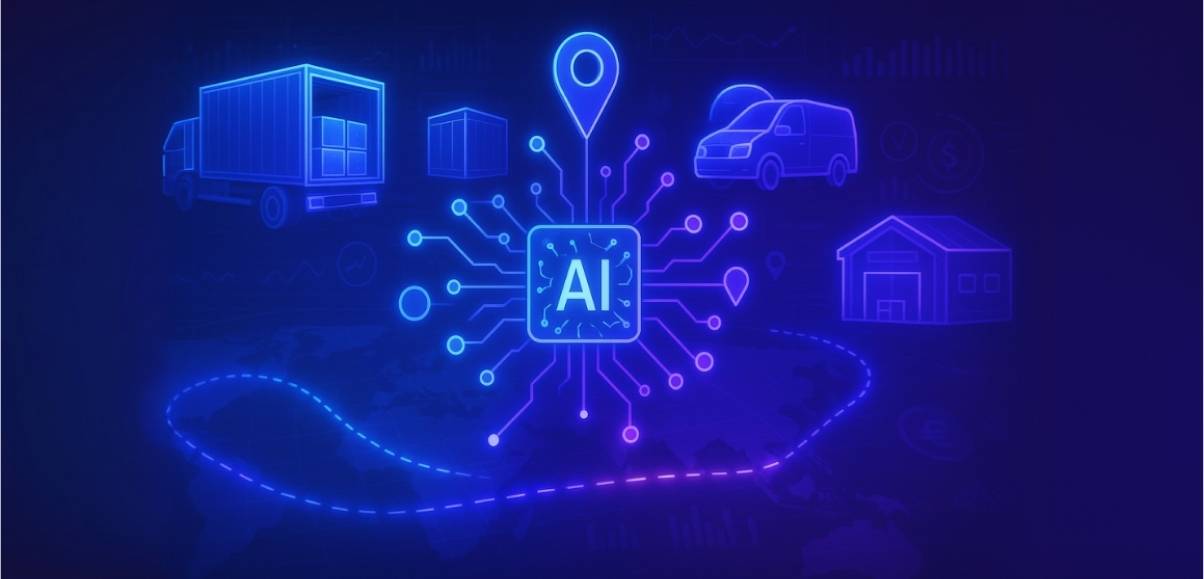
Custom AI solutions for logistics are purpose-built tools designed to solve the specific challenges faced by supply chain, transportation, and warehousing teams. These systems use technologies like machine learning, computer vision, and predictive analytics to streamline operations, reduce costs, and improve visibility across every touchpoint.

Unlike generic AI tools, custom solutions are built to align with your existing workflows. They integrate smoothly, adapt to your business goals, and deliver measurable results. From real-time route optimization to intelligent inventory control, custom AI helps you operate smarter, faster, and more efficiently.

What Are Custom AI Solutions for Logistics

Key Statistics Showing the Importance of Integrating AI in the Logistics Industry

AI in logistics is expected to become an $18 billion market by 2030, showing just how fast this technology is growing. (Statista)

Logistics makes up 10 to 20 percent of total eCommerce costs, making it one of the biggest areas where AI can create savings. (McKinsey)

Over half of logistics companies are expected to use AI by 2025, as the industry moves toward smarter, more automated operations (Logistics Insider)

Even a small amount of AI in planning can increase return on equity by 2 to 4 percent, giving businesses a major competitive edge (KPMG)

Logistics AI Consulting and Development Services We Offer

AI ML Strategy Consulting

AI ML Strategy Consulting

We provide AI consulting services where we assess your logistics operations to uncover opportunities for AI-driven improvement. Our experts craft a custom roadmap that aligns with your business goals. From technology selection to implementation planning, we ensure your AI strategy is practical, scalable, and designed to deliver measurable performance gains.

POC and MVP Development

POC and MVP Development

We bring your AI ideas to life through rapid Proof of Concept and MVP development. First, we validate technical feasibility and business impact. Then we build a working prototype tailored to real-world logistics use cases. This approach reduces risk and accelerates time to value.

Custom Logistics AI Solution Development

Custom Logistics AI Solution Development

We design and build AI solutions tailored to your specific logistics needs. From smarter demand forecasting to automated warehouse operations, our systems optimize performance across your supply chain. Each solution is built for efficiency, cost reduction, and seamless integration with your existing infrastructure.

LLM Fine-tuning for Logistics

LLM Fine-tuning for Logistics

Our team fine-tunes large language models to match the language, workflows, and data of your logistics operations. The result is intelligent systems that understand industry-specific terms and deliver accurate, actionable insights. These models improve decision-making and drive smarter automation across your logistics chain.

Generative AI Development

Generative AI Development

We create GenAI solutions using models like GPT, Claude, and Gemini. From intelligent chatbots to automated route planning tools, our applications are built for your operational needs. These tools accelerate decision-making, reduce manual tasks, and bring innovation into your daily logistics processes.

Logistics AI Solution Integration

Logistics AI Solution Integration

We integrate AI into your existing logistics platforms without disrupting operations. Our team ensures that each solution fits your workflow and scales easily. We handle everything from system assessment to testing and deployment, making your transition to AI smooth, secure, and effective.

AI Agent and Copilot Development

AI Agent and Copilot Development

We build AI agents and copilots to automate tasks and enhance support in logistics. Using platforms like AutoGen Studio and crewAI, we develop smart assistants that streamline workflows, analyze data, and boost team productivity. These tools improve efficiency across transportation and supply chain tasks.

Data Engineering for AI

Data Engineering for AI

We prepare your logistics data for AI success. Our data engineering services include data sourcing, cleaning, annotation, and structuring. Whether you're training predictive models or fine-tuning LLMs, we ensure your data is high-quality and optimized for machine learning performance and long-term reliability.

Maintenance and Support

Maintenance and Support

We provide 24/7 support to keep your logistics AI systems running at peak performance. Our services include real-time monitoring, updates, performance tuning, and issue resolution. We ensure your solutions remain secure, reliable, and aligned with evolving business and technology needs.

Logistics AI Solutions We Build

Logistics AI Solutions We Build

Transportation Management System (TMS)

We build custom TMS platforms that automate your order lifecycle from entry to final delivery. These systems streamline workflows, reduce paperwork, and deliver real-time updates that enhance operational control and customer satisfaction.

Supply Chain Intelligence Platform

Our analytics-driven platform gives you full visibility across procurement, distribution, planning, and inventory. It transforms raw logistics data into actionable insights to reduce costs, forecast demand, and eliminate inefficiencies.

Warehouse and Inventory Management System

We develop unified systems that optimize inventory tracking and warehouse operations. These tools support inbound and outbound logistics, space utilization, and stock visibility across multiple locations in real time.

Dispatch and Delivery Management

Our smart delivery systems handle order assignments, routing, billing, and real-time tracking. Built for speed and accuracy, they help you manage complex logistics workflows from dispatch to doorstep.

Fleet and Vehicle Intelligence System

We create systems that monitor your fleet in real time. Features include GPS tracking, fuel optimization, maintenance alerts, and driver behavior analysis to improve performance and reduce operating costs.

Asset and Goods Tracking Solution

Our AI-powered solution uses computer vision and smart sensors to monitor goods and assets throughout your supply chain. It boosts traceability, reduces loss, and provides real-time location insights.

AI Chatbots and Virtual Assistants

We design intelligent chatbots for customer support, tracking updates, and booking assistance. These bots work 24/7, integrate with CRM and ERP systems, and improve service delivery across logistics channels.

AI-Based Document Automation

We build OCR-driven systems that automate invoicing, order entry, and other documentation tasks. These tools reduce manual work, improve accuracy, and increase back-office productivity across logistics operations.

Predictive Demand Forecasting

Our AI models analyze historical and real-time data to accurately forecast logistics demand. These insights help you prevent stockouts, optimize warehouse planning, and align resources with future needs.

Real-Time Supply Chain Simulation

We combine AI and digital twin technology to simulate your supply chain live. These systems detect disruptions, model scenarios, and provide instant recommendations to improve planning and resilience.

Predictive Maintenance System

Our predictive tools identify early signs of equipment failure using AI. These systems help you reduce unplanned downtime, extend asset life, and save on repair costs.

Large-Scale Warehouse Automation

We implement AI-powered automation for enterprise warehouses. These solutions use robotics and intelligent systems to enhance sorting, packing, and space planning while reducing manual labor.

AI Use Cases in Logistics & Transportation

AI is reshaping how logistics and transportation companies operate. From real-time optimization to proactive maintenance, these use cases show how AI improves efficiency, reduces costs, and enables smarter decision-making across the entire supply chain.

Route Optimization

Route Optimization

AI analyzes traffic, weather, and delivery schedules to plan the fastest, most efficient routes. This reduces fuel use, shortens delivery times, and lowers operational costs.

Demand Forecasting

Demand Forecasting

Machine learning models predict future demand based on historical trends, seasonality, and market factors. This helps avoid overstocking, minimize stockouts, and improve planning accuracy

Warehouse Automation

Warehouse Automation

AI powers robotic systems and smart software that handle inventory, picking, and packing. These solutions reduce errors, speed up fulfillment, and lower labor costs.

Fleet Management

Fleet Management

AI tracks vehicle performance, fuel usage, and driver behavior. It helps optimize routes, improve safety, and reduce downtime through smarter fleet operations.

Predictive Maintenance

Predictive Maintenance

AI identifies patterns in equipment performance to detect failures before they happen. This minimizes unplanned downtime and reduces repair costs for vehicles and warehouse systems.

Customer Insights

Customer Insights

AI analyzes behavior patterns to understand customer needs. It enables more personalized service, better communication, and improved customer satisfaction.

Last-Mile Delivery Optimization

Last-Mile Delivery Optimization

AI uses real-time data to adjust last-mile routes on the fly. This improves on-time delivery rates and reduces costs in the most complex part of the supply chain.

Supply Chain Visibility

Supply Chain Visibility

AI provides real-time tracking across the supply chain. It helps detect delays, avoid disruptions, and manage operations with greater transparency and control.

Why Partner With Prismetric for Logistics AI Development and Consulting?

We combine deep technical skills with real-world logistics experience to deliver AI solutions that make a measurable impact. Here's why logistics companies trust Prismetric:

Technical and Development Expertise

Technical and Development Expertise

Our team builds tailored AI systems using machine learning, NLP, and computer vision. We design solutions that solve real logistics problems and deliver results you can track.

Extensive Industry Experience

Extensive Industry Experience

We’ve worked with logistics businesses of all sizes. From automated dispatch to AI-driven fleet optimization, our solutions are tested, trusted, and built for scale.

Timely Project Delivery

Timely Project Delivery

Speed matters in logistics. Our structured process ensures your AI solution is delivered on schedule so you can stay ahead of the competition.

Quality Assurance

Quality Assurance

We follow strict testing and documentation standards. Every solution we deliver is reliable, secure, and built to perform under pressure.

Agile Project Management

Agile Project Management

We use agile methods to stay flexible and efficient. This helps us adjust quickly to changes and deliver value throughout the project lifecycle.

Data Security and Protection

Data Security and Protection

Your data is safe with us. We follow best practices for security, including NDAs, internal protocols, and custom safeguards tailored to your systems.

AI Models We Have Expertise In

Mistral

Mistral

Whisper

Whisper

Claude

Claude

GPT-4O

GPT-4O

DALL-E 2

DALL-E 2

Google Gemini

Google Gemini

Stable Diffusion

Stable Diffusion

bloom-560m

bloom-560m

Liama-3

Liama-3

PaLM-2

PaLM-2

Vicuna

Vicuna

Phi-2

Phi-2

AI Technology For Building AI Solutions for Logistics

Machine Learning

Machine Learning

Computer Vision

Computer Vision

Robotics

Robotics

Natural Language Processing (NLP)

Natural Language Processing (NLP)

Deep Learning

Deep Learning

Cloud Computing

Cloud Computing

Our Artificial Intelligence Case Studies

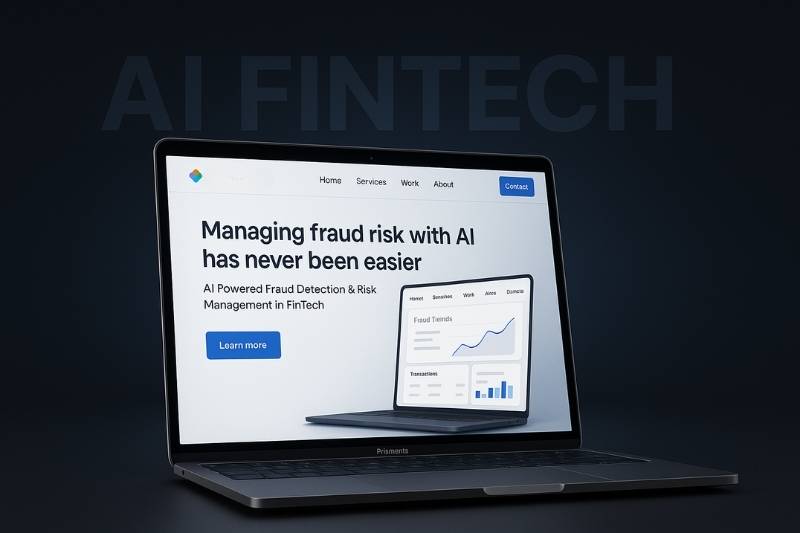
AI-Powered Fraud Detection & Risk Management in Fintech

An advanced AI-driven solution that empowers FinTech companies to detect fraud in real-time, mitigate risks, and ensure secure, seamless financial operations with smart analytics and automation.

View Case Study
AI-Powered Fraud Detection & Risk Management in Fintech

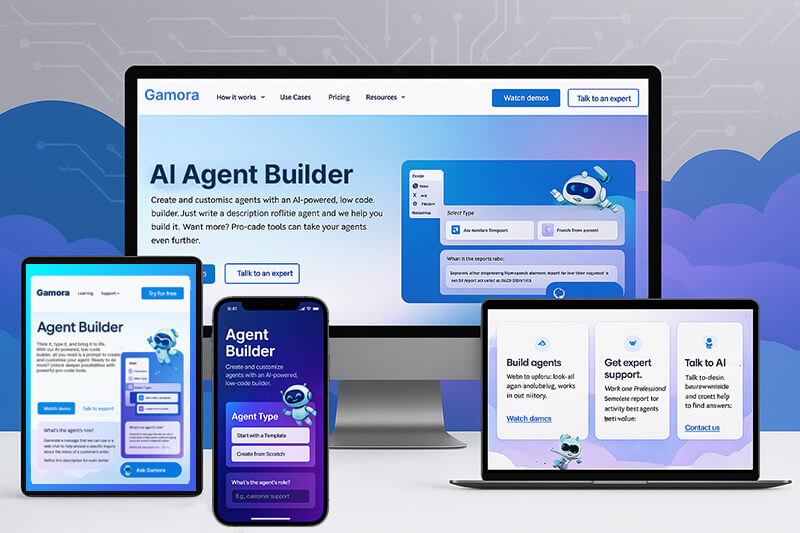
Custom AI Agent Builder

An AI Agent Builder Platform that leverages powerful AI models to design and deploy intelligent agents tailored for various tasks, transforming how businesses automate and scale operations. Just define the goal and get your AI agent ready.

View Case Study
Custom AI Agent Builder

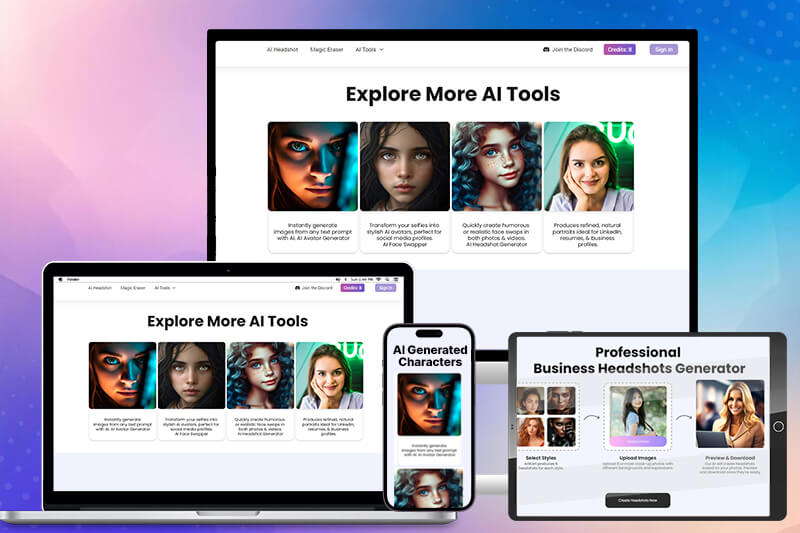
AI-Powered Art Generator Platform

An AI-Based Art Generator Platform that uses advanced AI algorithms to create unique, stunning artworks, revolutionizing the digital art creation process. Just prompt it and get your art ready.

View Case Study
AI-Based Art Generator Platform

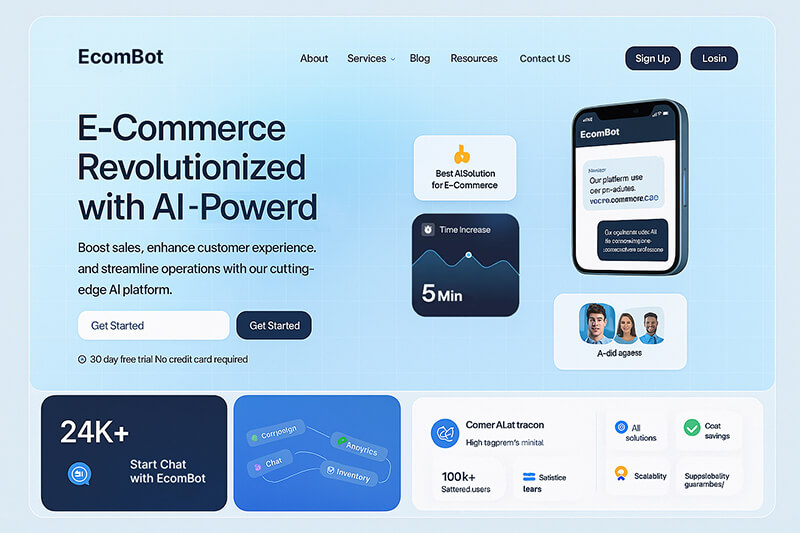
AI Chatbot for E-commerce Platform

An AI Chatbot for E-commerce Platform that uses smart AI capabilities to engage customers, answer queries, and drive sales, enhancing the online shopping experience. Just integrate it and start converting visitors into buyers.

View Case Study
AI Chatbot for Ecommerce

Vitara: AI-Powered Vibe Coding Platform

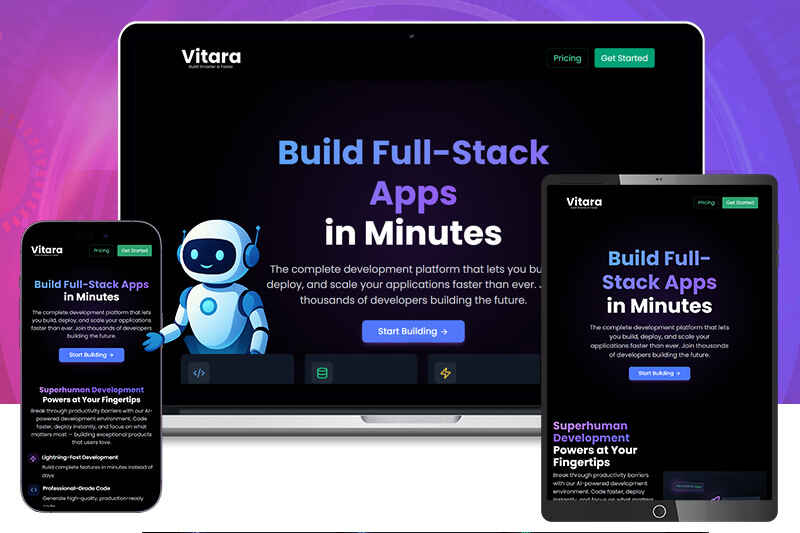
Vitara is our AI-powered vibe coding platform designed to help developers, entrepreneurs, and startups turn ideas into real software products faster, more affordably, and with seamless real-time collaboration and AI-driven code generation.

View Case Study
AI-Based Art Generator Platform

Prismetric’s Comprehensive Development Process of AI Solutions for Logistics

We follow a structured, client-first process to turn logistics challenges into scalable AI solutions. Each step is designed to ensure accuracy, efficiency, and real-world value.

Discovery and Strategy Planning

1. Discovery and Strategy Planning

We begin by learning about your logistics workflows, challenges, and business goals. This helps us define a focused AI strategy and create a roadmap that aligns with your operations and growth plans.

Data Collection and Preparation

2. Data Collection and Preparation

Our team works with you to gather and organize operational data from fleet systems, warehouses, CRMs, and IoT devices. We clean and structure this data to ensure it’s ready for training high-performance AI models.

Model Development and Testing

3. Model Development and Testing

Using advanced machine learning and deep learning techniques, we build custom AI models tailored to your logistics needs. Every model is tested rigorously to ensure accuracy, reliability, and operational relevance.

Integration with Clinical Systems

4. Integration with Clinical Systems

We integrate the AI solution into your existing platforms, such as TMS, WMS, ERP, or fleet management systems. This ensures a smooth transition with zero disruption to ongoing logistics operations.

Compliance and Security Assurance

5. Compliance and Security Assurance

We implement strong data protection measures and follow industry best practices. Your operational data remains secure throughout the development process, with custom safeguards based on your business environment.

Deployment and Performance Monitoring

6. Deployment and Performance Monitoring

After launch, we monitor AI performance in real-time environments. We provide regular updates, fine-tune models as needed, and offer full support to ensure your solution keeps delivering measurable results.

Related AI Services That Support Logistics Solution Development

FAQ’s

An AI solution for logistics is a custom-built system that uses machine learning, data analytics, or automation to improve logistics operations. It can optimize routes, forecast demand, automate warehouse tasks, and enhance real-time decision-making across the supply chain.

By 2030, AI will make logistics faster, smarter, and more efficient. It will automate warehouses, optimize delivery routes, reduce fuel costs, predict demand with high accuracy, and improve customer experience through real-time tracking and smart communication tools.

AI will be used to plan efficient delivery routes, manage fleets, automate inventory control, and reduce delays. It will also support predictive maintenance, analyze customer data, and integrate with IoT devices to provide real-time visibility and control over logistics operations.

Yes. AI can tackle key logistics challenges like delayed deliveries, high fuel costs, poor route planning, and inventory mismanagement. By automating decisions and analyzing real-time data, AI helps reduce errors, speed up processes, and cut operational costs.

AI improves accuracy by analyzing data faster and more precisely than manual methods. It can forecast demand, optimize warehouse layouts, and detect delays in real time. This leads to faster deliveries, fewer errors, and better overall performance.

Yes. We design and build custom AI solutions tailored to your business needs. Whether it’s route optimization, fleet tracking, or warehouse automation, we create systems that align with your operations and deliver measurable results.

AI reduces manual work, speeds up planning, and automates routine tasks. It helps optimize delivery routes, manage inventory more accurately, and make smarter decisions based on real-time data. This results in lower costs and higher productivity.

Absolutely. We specialize in integrating AI solutions with your current platforms such as TMS, WMS, ERP, and CRM. Our goal is to enhance your existing systems, not replace them, ensuring a smooth and efficient upgrade.

The cost depends on the complexity of your requirements, the type of AI features needed, and system integration. Smaller solutions may start at a few thousand dollars, while enterprise-level systems can range higher. We offer flexible pricing based on your goals and budget.

Development timelines vary based on scope. A simple solution may take 4 to 6 weeks, while more complex systems can take several months. We follow an agile process to deliver fast, with early prototypes and continuous improvements along the way.

Related Blog

Have a question or need a custom quote

Our in-depth understanding in technology and innovation can turn your aspiration into a business reality.

1
Have a free technical consultation
2
Sign your NDA
3
Get connected to our tech team
4
Get our team onboard for you

      Connect With US

      x